

Intersectionality, Identity, and Mental Health
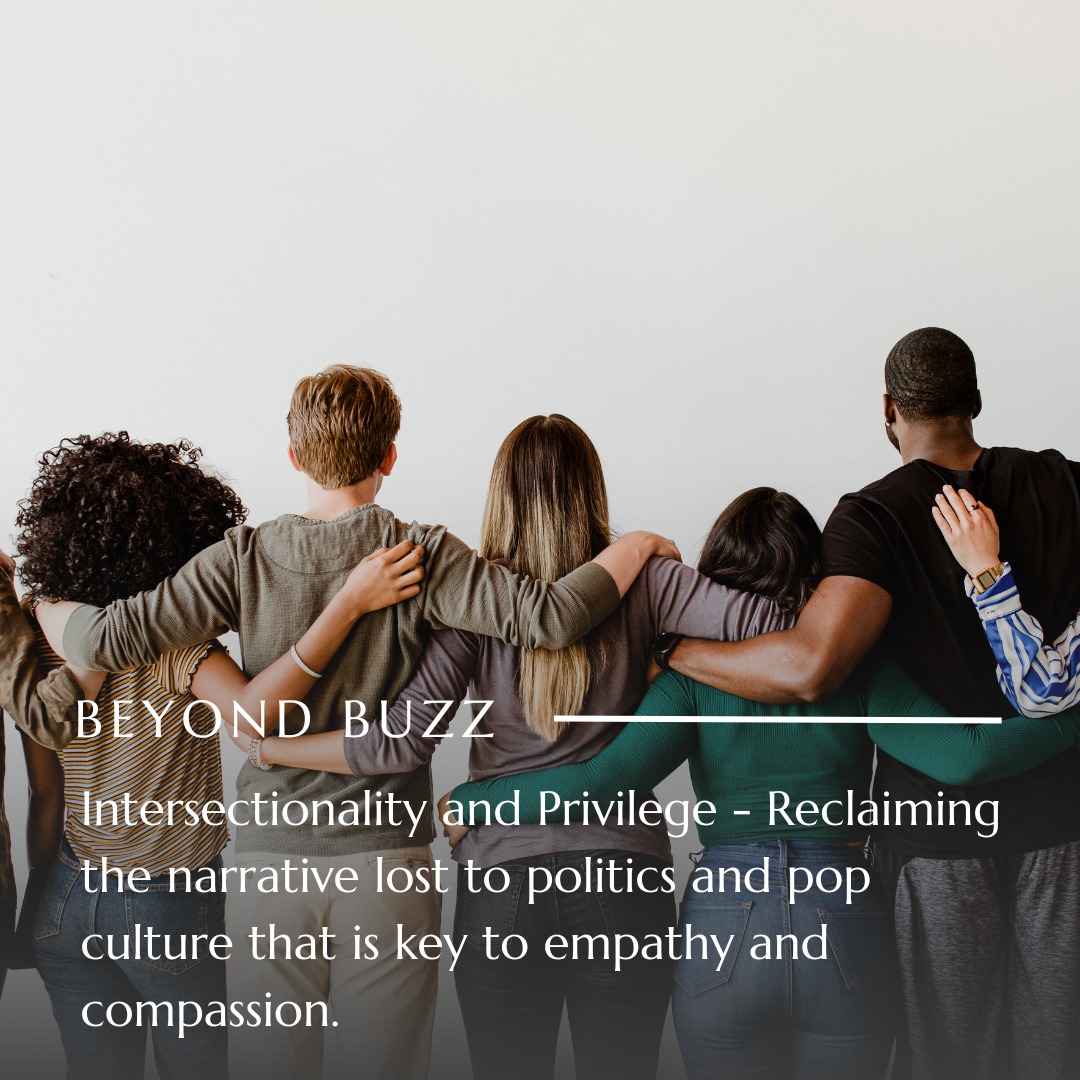
What Privilege Really Means: Intersectionality, Identity, and Mental Health
Remember 2020? It somehow feels like yesterday and twenty years ago. As a therapist during that time, I sat with clients navigating pandemic anxiety, isolation, racial injustice, and political unrest—all at once. Many came into session overwhelmed, angry, confused, numb… and for the first time, grappling with the concept of privilege.
As Mental Health Awareness Month comes to a close, I want to explore this complex and sometimes charged topic—and why understanding privilege, through the lens of intersectionality, is essential to honoring every person’s mental health story.
Why Talking About Privilege Can Feel So Charged
Let’s name it: the word privilege often carries emotional weight. For some, it may feel like an accusation or a dismissal of hard work and personal struggle. Others hear it as a tool to shame or divide. Others find it validates struggles and concerns that have been dismissed in the past. Talking about privilege touches deep nerves—our sense of fairness, safety, and belonging - it often challenges the parts of us we thought were stable truths
But at its core, privilege simply means having an unearned advantage—access, safety, or status—based on an aspect of our identity.
We all carry some form of privilege. Yes, everyone.
Acknowledging privilege is not about blame. It's about visibility, curiosity, and empathy—noticing how some identities move through the world with fewer barriers, while others encounter systems of exclusion and harm.
Privilege can show up in many ways (to name a few):
Race, ethnicity, or citizenship status
Body size and physical appearance
Gender identity and sexual orientation
Age
Reproductive status
Access to healthcare or mental health services
Geographic location, income, or education level
Ability to engage or disengage in a given topic without consequence
The privilege to decide whether privilege exists—or to ignore it entirely
These advantages aren’t our fault. But denying them can create distance, misunderstanding, and harm—especially when we’re trying to connect, heal, or grow.
Intersectionality: Seeing the Whole Person
Legal scholar Kimberlé Crenshaw coined the term intersectionality to describe how the different parts of our identity—race, gender, body size, ability, sexuality, class—overlap and create unique experiences of privilege and oppression.
No one is just privileged or just marginalized. You may benefit from racial privilege while struggling with trauma or poverty. You might feel empowered in your work life and invisible in your family. These layered realities don’t cancel each other out—they add depth to our stories.
When we can understand intersectionality without shame or defensiveness, we begin to:
Recognize that taking a “mental health day” is a form of privilege rooted in job security and workplace culture
Accept that our opinions on body size never justify judgment, shame, or denied care
See that access to mental health isn’t just about money—it’s also about trust, safety, and cultural competency in medical and mental health care
Whose Mental Health Are We Talking About?
Mental Health Awareness Month often spotlights therapy, medication, and self-care tools. What’s less visible is how access and interpretation of these tools is deeply shaped by identity.
In my practice, I work with people navigating their relationship to food, intimacy, money, and identity—often shaped by larger systems and assumptions they didn’t choose. Here are just a few ways I’ve seen privilege show up in real life:
Body Size & Bias
People in smaller or average-size bodies are less likely to be stereotyped as lazy, unhealthy, or undisciplined. In contrast, those in larger bodies may avoid care altogether after experiencing weight-based shame or medical neglect. That’s body privilege. It can be the difference between someone seeking help—or suffering in silence.
Gender Bias and Misdiagnosis
Women experience higher rates of trauma and often develop protective coping strategies—like hypervigilance or avoidance. But because their symptoms don’t always match outdated clinical models, women (especially BIPOC women) are more likely to be misdiagnosed or dismissed. The stereotype of eating disorders as a “rich white girl issue” still excludes countless others: men, disabled individuals, elders, pregnant people—and more.
Access and Geographic Privilege
Living in a densely populated area often means access to therapy, fresh food, transit, and social support. But in rural or under-resourced communities, care may be hours away—or not exist at all. Even something as simple as reliable internet can determine whether someone can attend a therapy session, refill a prescription, or connect with support.
A note for a future post: the link between food insecurity and eating disorders is drastically underreported. When we connect food choices to morality, without acknowledging that access to healthy food may not exist in certain areas, we ignore a much larger issue.
Assumed Credibility (or not)
When certain identities are assumed to hold power, validity, and discernment by default, others are implicitly expected to justify their experiences, explain their emotions, or soften their tone to be taken seriously. Being able to disengage from conversations or because it doesn’t feel relevant or urgent to one’s life is privilege.
Reflect and Reconnect
Therapy is not necessary for us to understand intersectionality or privilege. However, the revelations that come from learning about our privilege AND disadvantages can be painful, especially if they confront core beliefs about yourself, your family history, and current personal and professional relationships.
If you’ve ever felt like you had to translate your pain… explain your identity… or shrink parts of yourself just to be heard—you’re not alone. Many marginalized individuals navigate mental health systems that weren’t built with their lived experiences in mind.
Through culturally responsive counseling, you can:
✔ Explore how race, culture, body image, gender, and family history shape your mental health journey
✔ Name the pressures of code-switching, invisibility, or always being “the strong one”
✔ Reclaim a sense of self that doesn’t rely on assimilation, perfectionism, or emotional suppression
Sometimes the hardest part of recognizing privilege is realizing it challenges the stories we've held about ourselves—about being fair, self-reliant, or unaffected by larger systems
Through therapy, you can:
✔ Explore how privilege, power, and identity shape the way you move through the world—and how others experience you
✔ Make sense of discomfort without defensiveness, and ask hard questions in a nonjudgmental space
✔ Deepen your empathy, emotional resilience, and capacity for connection with yourself and others