

How it’s all connects
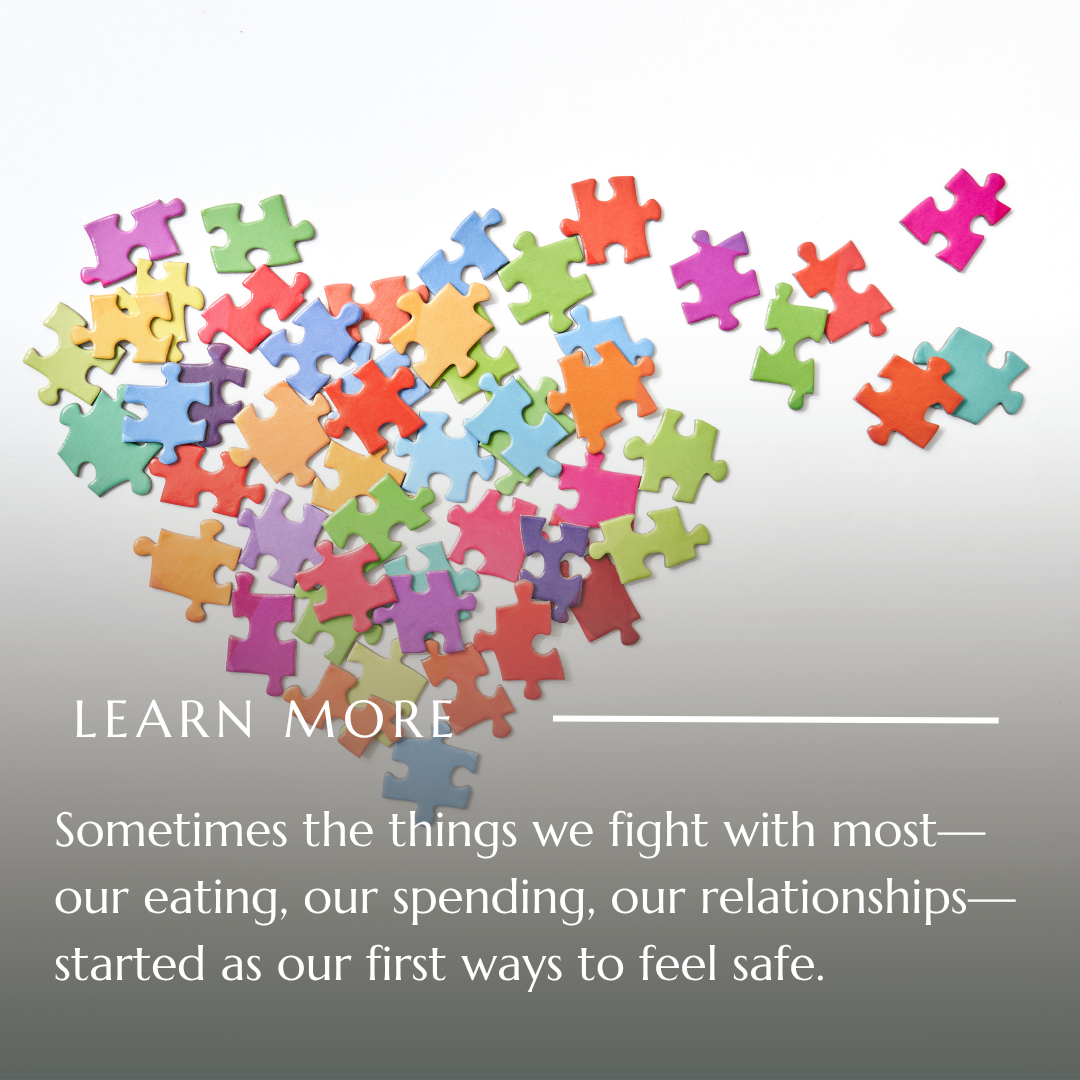
We all want to feel secure. To belong. To know we matter.
In my therapy practice, I specialize in working with people who struggle with eating disorders, relational difficulties like love or sex addiction, and financial disorders. On the surface, these might seem like very different concerns—one about the body, one about love, and one about money. But when we look beneath the surface, we can see these behaviors are all serving a purpose, at least in the moment.
They are means to soothe ourselves, in fact, they may be the first way we ever knew how to be soothed.
Wired for Connection
From the moment we’re born, our brains are wired for connection. We rely on caregivers not just for survival, but to help us regulate our emotions and feel seen. If those early relationships are marked by inconsistency, emotional neglect, chaos, or even enmeshment, we begin to adapt.
There is a lot of great information online about attachment, so no need to recreate the wheel - I like The Attachment Project https://www.attachmentproject.com)
But briefly, the recognized attachment styles are secure, anxious (also known as preoccupied), avoidant (also known as dismissive) and disorganized (also known as fearful-avoidant). These styles represent various levels of high to low avoidance and anxiety.
Our relational style is influenced beginning in infancy. Nurturance and protection are necessary for survival (food and love) and babies are bonded to who provides that for them (the role of money as protection or love typically comes later in childhood)
When these bonds are non-existent, inconsistent, or paired with trauma, we learn that the world is not a safe place and we find ways—conscious or not—to soothe ourselves, to stay close, to survive.
In the book “For Love or Money”, Deb Kaplan notes “early unresolved trauma and shame often create a maladaptive need for external power and control” - I would add it can also create a denial of needs or avoidance of situations where those needs may not be met.
In other words, we turn to what is available. And sometimes, that means turning to food, love, sex, or money/purchases because these things offer a temporary illusion of safety. In Acceptance and Commitment Therapy (ACT), these behaviors can be seen as forms of experiential avoidance—ways we try to escape or minimize painful internal experiences like shame, fear, or loneliness.
Sometimes, in order to make up for a lack of nurturance or protection, our caregivers may use food or money and gifts to make up for these unmet emotional needs. This can fuse the idea that food, love and money are transactional - trade-offs for a lack of emotional connection.
“Addictions and compulsions frequently emerge as creative solutions to intolerable affect and unmet relational needs.”
Eating Disorders: Where Food and Feelings Cross Paths
For many clients, disordered eating begins as a way to cope with overwhelming feelings—loneliness, shame, confusion.
Bingeing might provide a momentary sense of comfort or grounding or serve as a substitute for self-harm or other numbing behaviors. Restricting might feel like a way to stay in control when everything else feels uncertain, or to manipulate our bodies for protection.
Relationship Struggles: Craving Connection, Fearing Abandonment
When someone grows up with inconsistent or unavailable caregivers, their adult relationships often echo that early relational blueprint. They may find themselves clinging to partners, idealizing love, or repeating painful patterns. They’re often about seeking intensity to mask vulnerability, or confusing enmeshment with intimacy.
Pia Mellody’s Facing Love Addiction describes this pattern as“a desperate attempt to get unmet childhood needs met through adult relationships.”
These relationships may feel all-consuming, but they rarely offer the stability and attunement that the nervous system is actually craving.
Financial Disorders: Safety Through Control or Escape
Money is rarely just math. In fact, for many people, money becomes a stand-in for security, identity, and worth. Overspending may provide a fleeting sense of abundance. Hoarding might feel like protection. Chronic under-earning or giving too much may be rooted in deep-seated beliefs about not deserving care.
In Mind Over Money, Dr. Brad Klontz notes,
“We don’t develop money issues in a vacuum. They are born from stories—about who we are, what we deserve, and what keeps us safe.”
Again, these patterns often mirror early attachment experiences. If financial needs were unmet or unpredictable in childhood, money becomes charged with emotion—something to control, avoid, or cling to.
Reflect and Reconnect
If you’ve ever turned to food for comfort, lost yourself in love, or used money to feel safe—you’re not alone. These patterns often begin as wise adaptations to unmet needs. But with support, they don’t have to define your future.
In therapy, we can:
✔ Explore how early attachment wounds shape your patterns with food, finances, and intimacy
✔ Identify the emotional needs behind these behaviors without shame or blame
✔ Build new, sustainable ways to care for yourself—grounded in safety, clarity, and self-compassion
When you zoom out, you start to see that eating, loving, and spending are not separate issues. They are adaptive strategies—ways of managing distress, soothing emotional pain, or trying to secure connection in the best way we know how.
Contact me at heather@hslcounseling.com or fill out the contact form for more information!